What a Professional Roof Inspection Covers and Why It Matters
A professional roof inspection evaluates your roof’s condition, identifying issues and ensuring its safety, with local service providers ready to handle the necessary repairs or maintenance.
If you’re a property owner wondering what a professional roof inspection covers and why it matters, you’re in the right place. Regular roof inspections are essential for identifying potential issues early, helping to prevent costly repairs down the line. A thorough inspection typically evaluates the overall condition of the roof, including shingles or other surface materials, flashing, gutters, and ventilation systems. By understanding what these inspections entail, property owners can better appreciate how local contractors assess the integrity of a roof and spot problems that might not be immediately visible. Staying informed about this process can save time, money, and stress, especially for those maintaining homes or commercial properties in the area.
Exploring the reasons to prioritize professional roof inspections can be practical for many property owners. Whether preparing for seasonal changes, addressing signs of wear, or safeguarding the value of a property, knowing what to expect from a professional assessment is valuable. Local service providers offer comprehensive inspections that go beyond surface-level checks, ensuring that hidden issues like leaks, structural damage, or deteriorating materials are identified before they become major concerns. Keep reading to learn more about what these inspections cover and why engaging experienced local contractors can be a wise step toward maintaining a safe and durable roof.
- Residential roof inspections are often needed when homeowners notice leaks or damage and rely on local contractors to thoroughly evaluate the roof’s condition. Pre-purchase roof inspections help buyers assess potential issues before buying a property, with service providers carefully examining for hidden problems. Post-storm roof inspections are essential after severe weather events, as local pros identify storm-related damage that may not be immediately visible. Maintenance inspections assist property owners in detecting early signs of wear or deterioration, enabling timely repairs handled by experienced service providers. Insurance claim inspections are conducted when filing for coverage after damage, with local contractors documenting issues to support claims.


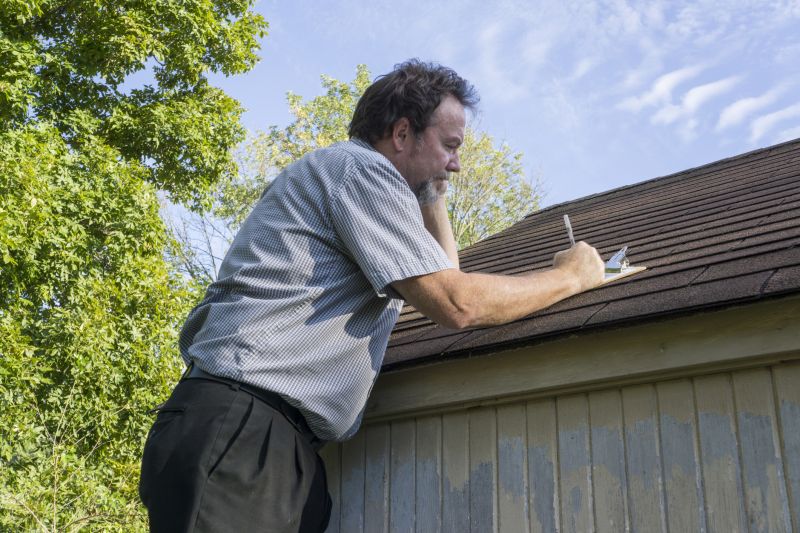
A professional roof inspection typically covers a comprehensive assessment of a property's roofing system to identify current issues and potential problems. This process involves examining the roof’s surface for signs of damage such as missing or broken shingles, cracks, or curling edges. Inspectors also check for underlying issues like damaged flashing, deteriorated sealants, or areas where water might be able to penetrate. Beyond the surface, they evaluate the condition of the roof’s structure, including the decking and supporting framework, to ensure stability and safety. This thorough review helps homeowners understand the health of their roof, whether for ongoing maintenance, repairs, or planning future projects.
People often search for what a professional roof inspection covers and why it matters when they are facing specific concerns or planning significant projects. Common reasons include preparing for a home sale, addressing storm damage, or assessing the need for repairs after noticing leaks or water stains inside the house. Homeowners may also seek inspections as part of routine maintenance to prevent larger issues down the line. The inspection’s findings can influence decisions about repairs, replacements, or upgrades, making it a vital step in maintaining the property's value and safety. Local contractors who perform these inspections understand the unique challenges of the area’s weather and building codes, ensuring assessments are accurate and relevant.
The scope of a professional roof inspection relates to various types of properties, from single-family homes to multi-unit buildings and commercial structures. Residential properties are the most common, with inspections focusing on features like pitched roofs, flat roofs, or complex rooflines. Commercial properties, which often have larger, flat roofs, require specialized evaluation to identify issues like drainage problems or membrane deterioration. Multi-family housing, such as apartment complexes, may need inspections that cover multiple units and shared roofing systems. Regardless of the property type, a professional inspection aims to detect issues early, prevent costly repairs, and extend the lifespan of the roof.
By understanding what a professional roof inspection covers and why it matters, homeowners gain insight into how this service fits into their overall property maintenance plan. Local service providers who specialize in roof inspections can identify hidden problems that may not be visible to the untrained eye. These experts evaluate the condition of the roof’s materials, structure, and drainage systems, providing valuable information to guide repair or replacement decisions. Regular inspections can help catch issues before they escalate, saving money and avoiding unexpected damage. Connecting with experienced local contractors ensures that the inspection is thorough, accurate, and tailored to the specific needs of the property, making it an essential part of proactive homeownership.
Roof repair projects - professionals performing roof repairs often conduct inspections to identify underlying issues that could lead to future damage or leaks.
Gutter installation and maintenance - these projects require thorough assessments of roof drainage systems, which are closely examined during roof inspections.
Attic ventilation improvements - proper ventilation planning involves inspecting roof components to ensure effective airflow and prevent moisture buildup.
Storm damage assessments - after severe weather events, local contractors evaluate roof conditions to determine necessary repairs and safety concerns.
Roof replacement planning - inspections help determine the extent of wear and tear, guiding decisions on when a full roof replacement is needed.
Insurance claim inspections - detailed roof evaluations are essential for documenting damage and supporting insurance claims related to roof issues.
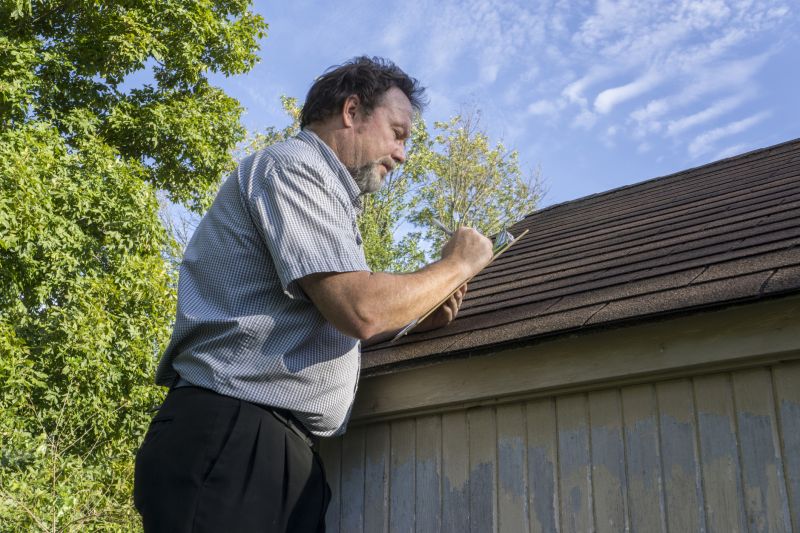
When evaluating service providers for a professional roof inspection, it’s important to consider their experience with similar projects. Homeowners should look for local contractors who have a proven track record of conducting thorough inspections on properties like theirs. This experience often translates into a better understanding of common roofing issues, local weather influences, and specific materials used in the area. An experienced professional is more likely to identify potential problems accurately and provide insights that help homeowners make informed decisions about repairs or maintenance.
Clear written expectations are essential when comparing roof inspection services. Homeowners should seek providers who can outline exactly what the inspection will cover, including areas such as the roof’s surface, flashing, gutters, and attic components if applicable. A detailed scope of work helps ensure there are no surprises and that both parties understand what will be assessed. Reputable service providers often provide documentation or checklists that specify the inspection process, giving homeowners confidence that their roof will be evaluated comprehensively.
Good communication and reputable references are key factors in choosing a reliable local contractor for roof inspections. Service providers who are transparent about their process and willing to answer questions demonstrate professionalism and a commitment to customer service. Additionally, seeking references or reviews from previous clients can provide insights into the quality of their work and how effectively they communicate. Clear, consistent communication helps homeowners feel confident in the inspection process and ensures they receive meaningful feedback about their roof’s condition and any necessary follow-up steps.
Property owners often search for what a professional roof inspection covers and why it matters when they are planning practical projects around their homes and businesses. Local pros provide Roof Inspection services for everyday jobs and straightforward project options.
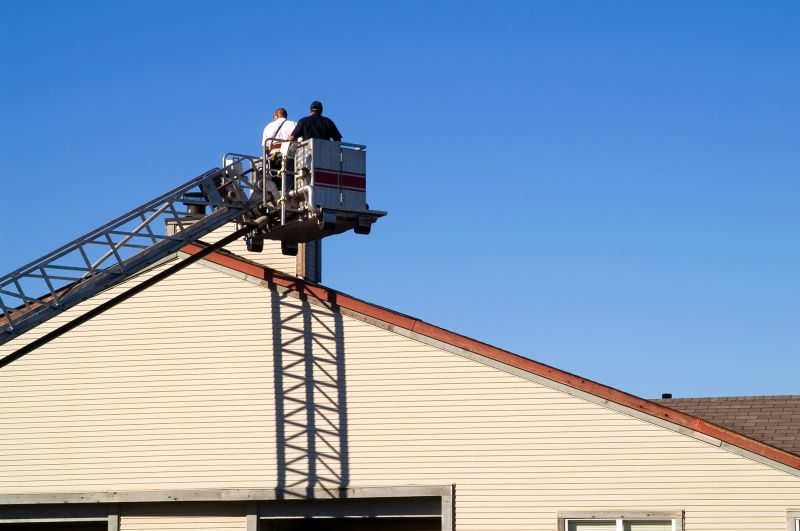
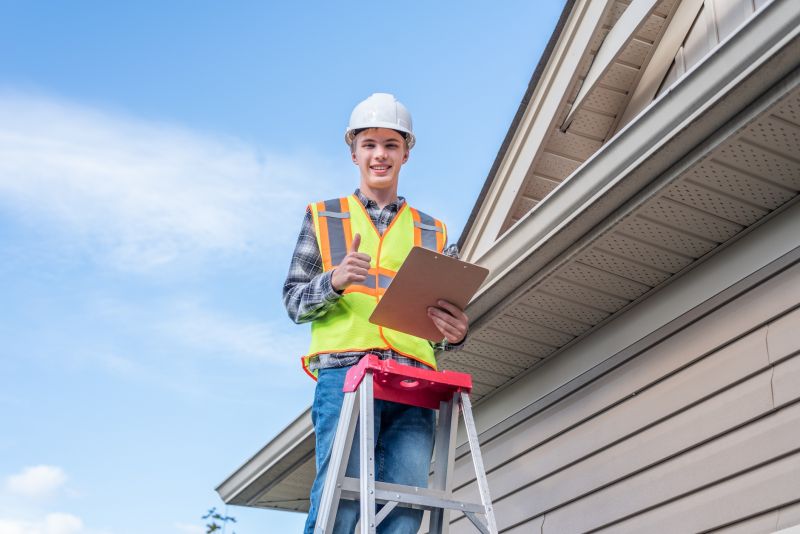
A professional roof inspection typically covers a thorough assessment of the roof’s overall condition, including checking for damaged or missing shingles, signs of water intrusion, and areas where wear and tear may be developing. Inspectors also evaluate the flashing, gutters, vents, and other roof components to identify potential issues before they become costly repairs. For property owners in the area, understanding what a roof inspection includes can help them recognize the importance of regular evaluations, especially after severe weather or as part of routine maintenance, to ensure their roofs remain in good shape.
Why it matters is simple: a comprehensive roof inspection can uncover problems early, saving property owners from unexpected leaks or structural damage. Local contractors who specialize in roof inspections can provide valuable insights into the specific issues common in the area’s climate and building styles. Engaging with experienced service providers ensures that every aspect of the roof is checked carefully, helping owners make informed decisions about repairs or maintenance to protect their property investment over time.
What does a professional roof inspection typically cover? A professional roof inspection examines the overall condition of the roof, including shingles, flashing, gutters, and ventilation systems, to identify signs of damage or wear that may need attention.
Why is understanding what a roof inspection covers important? Knowing what a roof inspection includes helps homeowners understand potential issues early, ensuring proper maintenance and preventing costly repairs in the future.
How do local contractors assess the roof during an inspection? Local service providers evaluate the roof’s surface, check for missing or damaged shingles, assess flashing and seals, and inspect the roof’s structure for signs of deterioration or leaks.
What are the benefits of a professional roof inspection? A thorough inspection can reveal hidden problems, extend the roof’s lifespan, and provide peace of mind by ensuring the roof is in good condition.
Why does a detailed roof inspection matter for homeowners? It matters because it helps identify issues early, allows for timely repairs, and maintains the safety and integrity of the home’s roofing system.
Understanding roof condition - A professional roof inspection helps property owners assess the current state of their roof and identify potential issues early on.
Detecting damage and wear - Local contractors can uncover signs of damage, such as missing shingles or leaks, that may require immediate attention or future repairs.
Planning maintenance and repairs - Insights from an inspection enable property owners to schedule necessary maintenance or repairs to extend roof lifespan.
Protecting property value - Regular professional inspections can help maintain the property's value by preventing costly damage and ensuring the roof remains in good condition.
If you are thinking about what a professional roof inspection covers and why it matters for a property, this guide is meant to help you understand this topic, the typical project types, and how different options might fit your plans.
When you are ready, you can use the quote form on this page to share a few details about your project. From there, local pros can review the basics and follow up with options that match what you have in mind.